
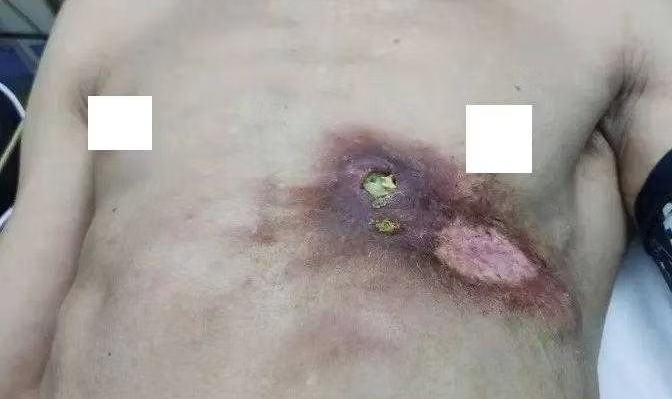
A chest wall defect refers to the absence of structures in the chest wall, including skin, soft tissue, and bone. These defects can be congenital, meaning they are present at birth, or acquired, resulting from trauma, infection, or tumor resection surgery. When any component of the chest wall is missing, the integrity and appearance of the chest wall is compromised.
Effects and Symptoms
Chest wall defects can affect both the body and the mind. From a physiological perspective, these defects compromise the integrity of the thoracic cage, potentially leading to respiratory abnormalities and, in severe cases, even affecting circulatory function. From a psychological perspective, these defects alter the appearance of the chest, especially in cases of skin defects or large bone deficiencies, which can impact a person’s self-confidence.
The symptoms depend on the location and severity of the defect. Defects affecting only the skin may result in a visible opening and localized pain. This condition, if not accompanied by damage to the underlying soft tissue, usually does not affect breathing. Clinically, a common defect involves the bony structures, resulting in localized chest wall softening and paradoxical breathing. When the chest wall has a through-and-through defect (penetrating all layers), it becomes a complete defect, severely impacting respiratory function and leading to severe hypoxia symptoms in the patient.
Advanced Reconstruction at The Institute of Chest Wall Surgery (ICWS)
The Institute of Chest Wall Surgery (ICWS) specializes in reconstructive surgery for chest wall defects. Surgical methods are selected based on the type and size of the defect as well as the patient’s individual condition. Common procedures include chest wall reconstruction, which restores absent bone structures or soft tissues and stabilizes the chest wall using artificial materials or the patient’s own tissue. Rib grafting involves transplanting segments of ribs from other parts of the body and fixing them in place to repair missing ribs. Flap repair is used for soft tissue defects, employing pedicled or free flaps to cover and restore the affected area.
This specialised care allows patients with even large defects to regain chest wall integrity, protect internal organs, and return to an active lifestyle.
Conclusion
Whether the chest wall defect is congenital or acquired, a comprehensive medical evaluation can clarify the condition and create a personalized reconstruction plan. Appropriate reconstruction aims to restore chest wall stability, improve respiratory mechanics, protect intrathoracic organs, and address appearance-related concerns.