
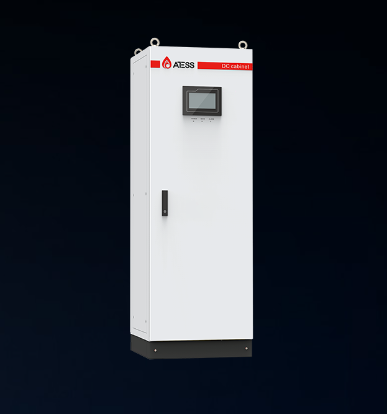
A comprehensive shift in energy infrastructure is underway, and the lithium-ion battery storage cabinet sits at the center of this transformation. Global energy storage cell shipments are projected to reach 801 GWh in 2026, while installations rise to 353 GWh. Behind these figures lies a rapidly maturing industry where hardware safety, performance, and integration capability define success. The lithium-ion battery storage cabinet has evolved from a simple enclosure into a critical system component that manages thermal conditions, enables remote monitoring, and reduces fire propagation risk. This analysis examines market drivers, regional dynamics, and technology trends shaping the sector.
Market Size and Growth Trajectory
The global lithium-ion battery cabinet market was valued at USD 3.70 billion in 2025 and is projected to reach USD 6.84 billion by 2032, registering a compound annual growth rate of 9.15%. For the energy storage battery cabin sub-segment, 2025 saw a valuation of US 907million with a forecast to hit US 1,532 million by 2032 at a CAGR of 7.9%. These figures reflect steady demand across utility-scale, commercial, and residential applications. A lithium-ion battery storage cabinet now represents a strategic asset that influences deployment speed, operational risk, and long-term value realization.
Key Market Drivers
Renewable energy integration remains the primary force propelling demand. In 2025, 108 GW of new battery storage capacity was deployed worldwide, 40% more than in 2024, with installed capacity now eleven times higher than in 2021. AI infrastructure has emerged as a secondary growth engine. Global energy storage additions are projected to reach 438 GWh in 2026, driven by a combination of AI compute expansion, renewable integration mandates, and grid congestion relief. A lithium ion battery storage cabinet serves as the building block for grid services, microgrids, and data center backup power.
Technology Trends and Cost Declines
Lithium-iron phosphate (LFP) batteries now account for approximately 90% of deployments, a dramatic shift from less than 50% just five years ago. LFP’s superior safety profile and cost advantage have made it the chemistry of choice for stationary storage. System prices continue to fall. BloombergNEF expects stationary storage system prices in the US and Europe to decline by 10% to 20% in 2026, reaching around US$125 per kWh. At the same time, cells and modules now account for just 25% to 45% of total project capital expenditure, reducing exposure to raw material volatility.
Regional Market Dynamics
China leads global deployment, accounting for approximately 60% of additions in 2025, followed by the United States and Europe. North America holds the largest share of the global battery racks market at about 34%, while Asia-Pacific is the fastest-growing region. Atess offers integrated battery solutions designed to reduce project complexity across these diverse markets. They engineer their systems to work seamlessly with existing power infrastructure, supporting both grid-scale installations and commercial applications. Their battery cabinet solutions page provides specifications tailored to various deployment scenarios.
The global market outlook for lithium-ion battery storage cabinets points toward sustained expansion through 2032. Growth is anchored by renewable energy integration, AI-driven power demands, and falling system costs. Atess contributes to this trajectory with purpose-built storage solutions that balance performance and reliability. For operators evaluating storage investments, understanding regional trends and technology shifts remains the foundation for sound decisions. Additional details are available on the Atess battery solutions page.