
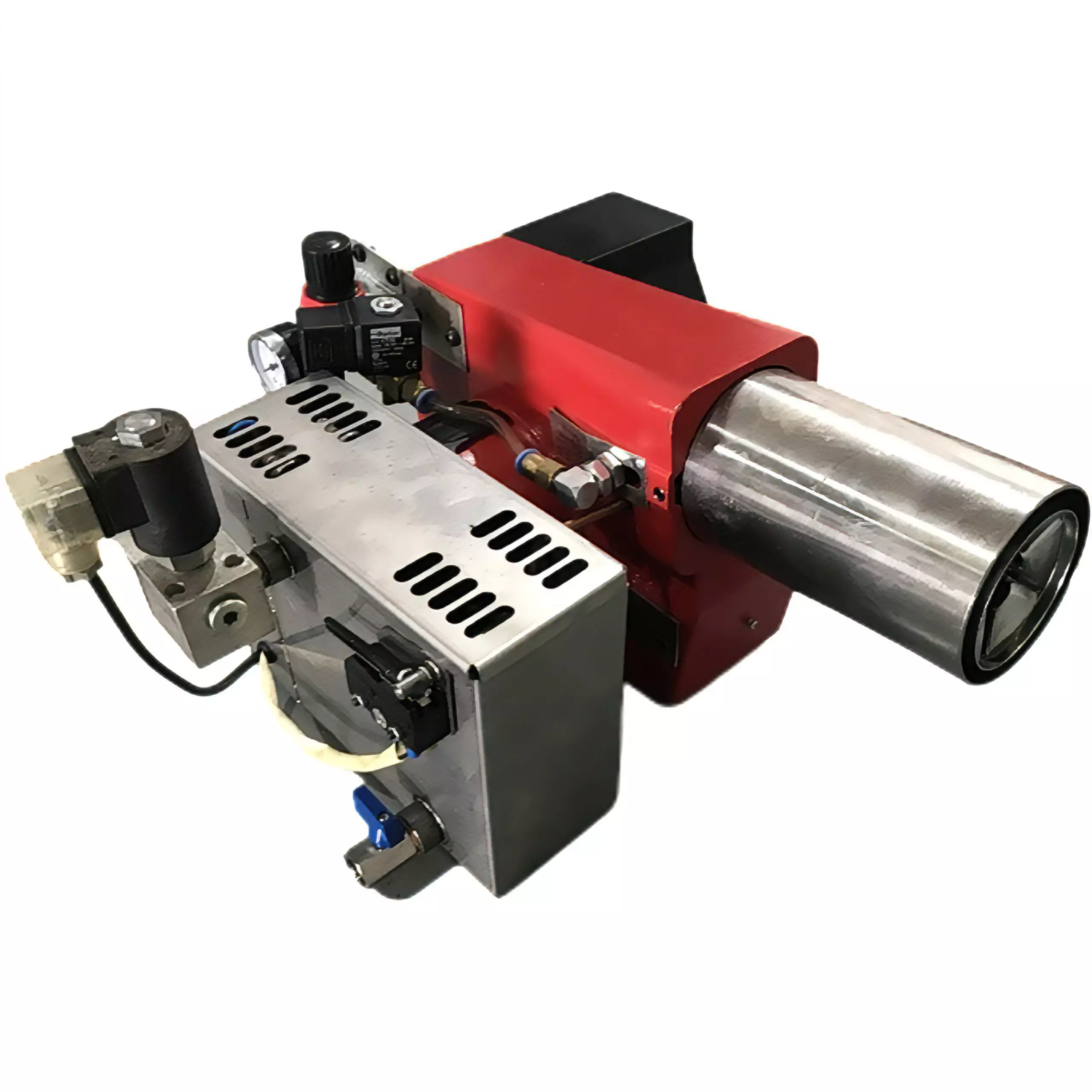
Industrial waste-oil burners can use several categories of used oil, but not every waste oil should be treated as an interchangeable fuel. Career Burner identifies used motor oil, cooking oil, transmission fluid, and hydraulic fluid as examples of waste oils that can be burned to produce heat. The suitability of each fuel depends on characteristics such as viscosity and contamination, as well as the burner’s ability to handle those conditions.
Which Waste Oils Are Commonly Used?
The reference material identifies four principal examples: used motor oil, cooking oil, transmission fluid, and hydraulic fluid. These materials originate from different processes, so their physical characteristics can vary substantially.
A waste oil fuel burner must therefore be selected around the actual fuel available at the site. Career Burner specifically advises users to check waste-oil viscosity and contaminants before selecting compatible equipment.
That distinction matters because “waste oil” describes a broad group of used oils rather than one standardized fuel. A burner suitable for one waste-oil stream may not automatically be suitable for another.
Used Motor Oil Is One Established Fuel Source
Used motor oil is specifically listed by Career Burner as a waste oil that can be burned for heat generation. Its industrial waste-oil burner range is intended to convert suitable used oil into thermal energy for commercial and industrial operations.
Motor oil collected after vehicle or machinery use can contain contaminants accumulated during operation. Those contaminants make fuel preparation particularly relevant before combustion.
Pre-filtration is therefore part of the recommended preparation process. Career Burner advises regularly inspecting and pre-filtering waste oil for water, sludge, and debris, while also checking viscosity and impurities.
Cooking, Transmission, and Hydraulic Oils
Cooking oil is another waste stream explicitly identified by Career Burner. Used cooking oil can become a recoverable fuel source when the burner and fuel-handling system are appropriate for its characteristics.
Transmission fluid and hydraulic fluid are also included in the manufacturer’s description of usable waste oils. Their inclusion shows why industrial users should identify the actual source of their waste oil rather than selecting equipment based solely on the general term “used oil.”
Career Burner’s recycled oil burner concept is consequently broader than a system intended for only one specific waste stream. However, broader fuel capability does not remove the need to verify the properties of the fuel being supplied.
Why Oil Type Alone Does Not Determine Suitability
Two waste oils from different sources can behave differently during storage, pumping, filtration, and combustion. Viscosity is particularly relevant because it affects how easily the fuel moves through the system and reaches the combustion stage.
Contaminants create another variable. Water, sludge, debris, and other impurities can contribute to fuel-system problems or interfere with reliable combustion. Career Burner recommends checking these characteristics before choosing a burner, specifically to help prevent clogging and reduce fuel-preparation difficulties.
Consequently, the question should not simply be “Can this type of oil burn?” The more useful engineering question is whether the specific waste-oil stream can be prepared and supplied within the operating requirements of the selected burner.
Fuel Preparation Is Part of the Selection
Waste oil may require filtration and viscosity management before combustion. Career Burner describes a pre-heating system that reduces waste-oil viscosity, allowing the fuel to ignite and burn more effectively. Its operating guidance also calls for regular cleaning of the combustion chamber, nozzles, and air filters because soot and ash can build up when burning waste oil.
This makes fuel preparation an integral part of burner selection rather than an optional add-on. An industrial waste-oil burner needs to work with the site’s complete fuel-handling arrangement, including filtration and delivery.
The burner itself then atomizes the prepared oil into fine particles and mixes it with air for combustion. Appropriate preparation helps establish the conditions required for that process.
Match the Waste Oil to the Burner
Career Burner lists waste-oil burners with capacities from 24–355 kW for its range. The manufacturer also recommends matching burner size to the required heating load and considering the volume of waste oil that needs to be burned.
For an industrial user, the correct choice therefore involves two separate questions. First, what waste oil is actually available? Second, can the burner and fuel-preparation system handle its characteristics consistently?
A waste oil fuel burner can be suitable for used motor oil, cooking oil, transmission fluid, or hydraulic fluid when the fuel is compatible with the equipment and appropriately prepared. Career Burner’s range is designed around fuel flexibility, while its guidance emphasizes viscosity, contaminants, filtration, and system compatibility.
Recovering useful thermal energy from used-oil streams requires looking beyond the general fuel category. When choosing a recycled oil burner, industrial operators must carefully evaluate the oil’s actual condition, viscosity, contaminants, required heat output, and preparation needs to avoid the common mistake of treating all waste oils as identical.