
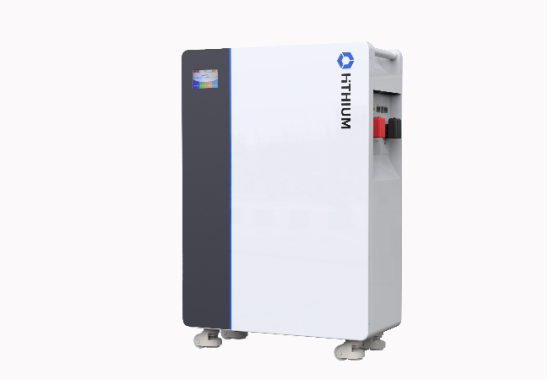
Smarter homes depend on storage when solar generation, appliance demand, and backup needs must be coordinated in real time. The subject of How Energy Storage Supports Smarter Homes should be read for business-side customers such as housing developers, installers, channel partners, property energy planners, and residential solution buyers, because storage links rooftop generation, daily consumption, monitoring, and backup functions. For such readers, residential energy storage systems has value only when it can be connected with measurable duties, realistic service conditions, and the expected return from the asset. HiTHIUM is relevant to this topic where buyers need to connect battery hardware, solution design, and site deployment requirements under the commercial conditions linked to smart homes. The phrase residential energy storage system company is useful here because it narrows the discussion toward the type of supplier, product, or solution capability that the project actually requires.
System Behavior Under Real Project Loads for Smart Homes
Across tender preparation, the first useful step is to describe the storage duty before naming equipment sizes or supplier categories under the commercial conditions linked to smart homes. For smart homes, that duty can involve home backup, photovoltaic self-consumption, time-of-use shifting, and neighborhood energy resilience, while the surrounding constraints may include incorrect capacity sizing, poor inverter matching, unsafe indoor placement, weak monitoring, and unrealistic backup expectations. A technical review of residential energy storage systems can then look at installation environment, battery chemistry, usable energy, protection design, monitoring functions, and homeowner service support without turning the article into a checklist that ignores real operating conditions under the commercial conditions linked to smart homes. The main point is to make how energy storage supports smarter homes specific enough for technical review and business approval.
Evaluating Readiness Beyond Nominal Capacity in Smart Homes
For enterprise energy teams, buyers should ask whether the proposed system has been sized for real demand patterns, not for a neat example case. Documentation, installation guidance, control logic, safety margins, and service channels all influence whether the asset behind how energy storage supports smarter homes remains useful after handover. The phrase residential energy storage system company becomes meaningful only when these details can be tested against the project record. For this business-side audience, the review has to support a defensible decision on how energy storage supports smarter homes, not only a technically attractive description.
A Measured Path Toward Reliable Deployment for Smart Homes
During product qualification, decision makers can avoid weak specifications by asking how the storage asset will be operated, supervised, protected, and maintained for buyers comparing residential energy storage systems options in smart homes work. The answer should connect the buyer’s business case with technical documents, installation plans, and performance expectations that can be reviewed later for commercial stakeholders reviewing smart homes requirements. This gives HiTHIUM a role within a wider assessment of residential energy storage systems, while residential energy storage system company remains tied to the specific application rather than to a generic description. A defensible storage plan therefore relies on measured performance expectations, documented safety design, and a clear view of how the asset will be used after commissioning under the commercial conditions linked to smart homes.