
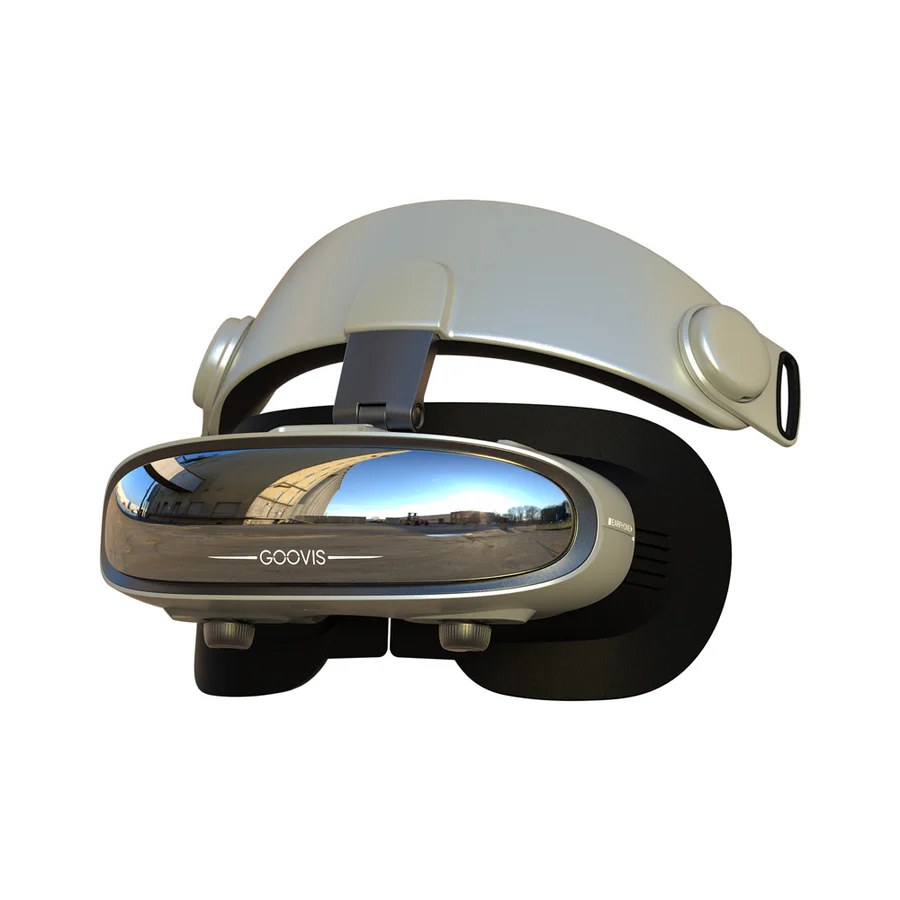
In the realm of modern technology, optical head-mounted displays (HMDs) have emerged as significant tools for delivering immersive experiences across various fields such as gaming, entertainment, and education. These devices facilitate a unique way of interacting with digital content by placing visual technology directly in front of the user’s eyes, creating a rich, engaging environment. This article will explore the characteristics, applications, and advantages of head-mounted displays, particularly focusing on products from leading brands like GOOVIS.
What is an Optical Head-Mounted Display?
An optical head-mounted display is a type of wearable device designed to present visual information directly to the user’s eyes, simulating a virtual environment or augmenting real-world views. Unlike traditional screens, optical HMDs utilize advanced optics and display technologies to deliver images in a three-dimensional format. This capability allows users to experience an enhanced perception of depth, making these devices ideal for immersive applications.
Head-mounted displays can vary in design and functionality, but they generally include features such as high-resolution displays, lightweight construction, and ergonomic designs that provide comfort during extended use. The GOOVIS G3X, for instance, exemplifies these characteristics with its lightweight body of just 190 grams and a multi-point wearing structure that distributes pressure evenly. This design ensures that users can enjoy immersive experiences without discomfort, making it suitable for long viewing sessions.
Additionally, the G3X incorporates DC dimming technology, which helps to reduce flicker and minimize eye strain during prolonged use. Such technologies are essential for maintaining user comfort, particularly in situations where extended wear is common—like watching movies or engaging in training simulations.
Applications and Benefits of Head-Mounted Displays
The applications of optical head-mounted displays are vast and varied. In the entertainment industry, HMDs like the GOOVIS G3X offer a private cinematic experience, allowing users to enjoy movies and games with astonishing clarity and depth. The headset’s design features magnetic face pads that enable quick switching between immersive viewing and open-view modes, providing flexibility in how users interact with their environment. This adaptability is particularly beneficial for maintaining environmental awareness while enjoying digital content.
In educational and professional settings, head-mounted displays facilitate immersive learning experiences. For instance, medical students can use HMDs to simulate surgeries, allowing for practice in a risk-free environment. In engineering and design, these devices can provide real-time visualizations of complex projects, assisting teams in collaboration and decision-making.
Overall, the benefits of using head-mounted displays are multifaceted. They provide an engaging way to consume content, enhance training and educational opportunities, and promote creativity in various fields. The GOOVIS G3X, with its ergonomic design and high-quality visuals, exemplifies how well-crafted head-mounted displays can significantly enhance user experiences.
Embracing the Future of Optical Head-Mounted Displays
In summary, optical head-mounted displays are at the forefront of immersive technology, offering users a unique way to interact with both digital and augmented content. The capabilities of devices like the GOOVIS G3X demonstrate the potential of this technology in enhancing viewing experiences across various sectors. As optical HMDs continue to evolve, their applications and utility in everyday life are likely to expand, paving the way for richer and more engaging interactions with the digital world.