
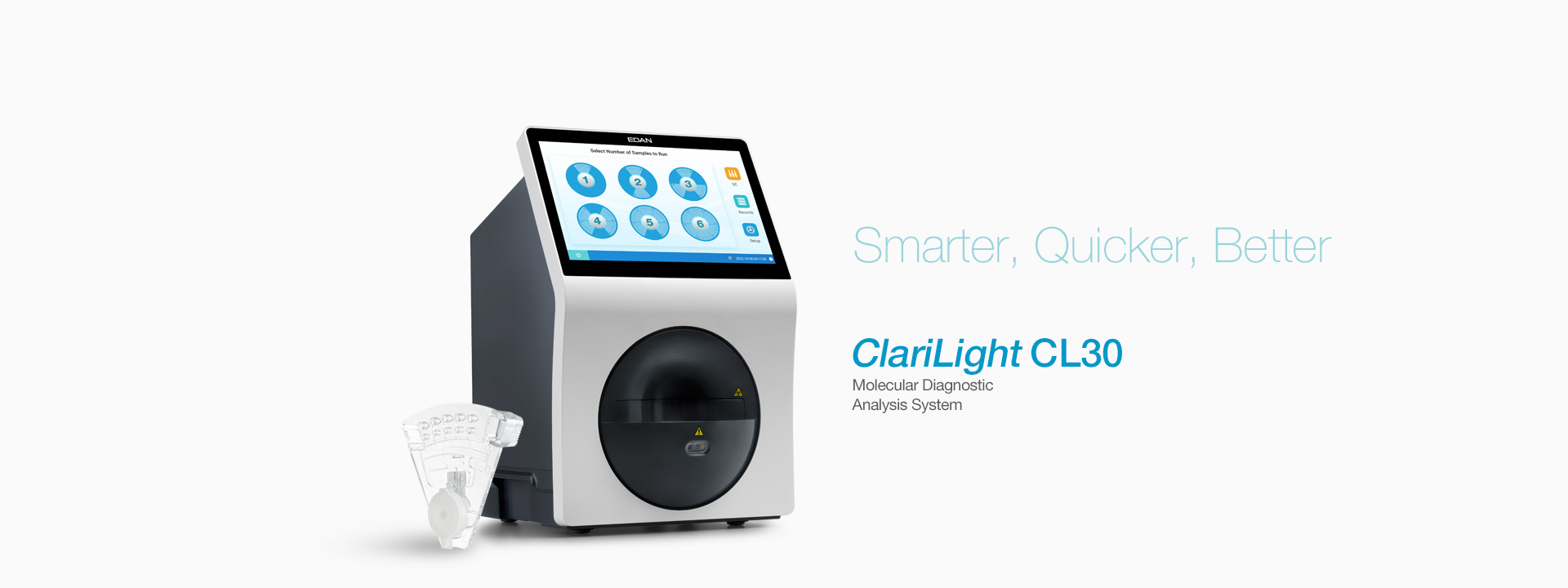
In clinical settings where molecular diagnostic testing plays a central role, effective data archiving is a cornerstone of quality, compliance, and workflow efficiency. With the rise of networked laboratory equipment, including advanced diagnostic analyzer platforms, laboratories must adopt data archiving protocols that ensure secure storage, easy retrieval, and seamless integration with broader information systems. Devices like the EDAN CL30, a robust system for rapid molecular analysis, illustrate how next-generation analyzers fit into comprehensive data strategies.
Understanding the Role of Data Archiving with Diagnostic Analyzers
Modern diagnostic analyzer systems generate a high volume of critical patient and test data, especially in molecular diagnostic testing environments where turnaround times and accuracy are essential. Archiving protocols determine how results, metadata, quality control records, and operational metrics are stored and accessed. An efficient protocol enables laboratories to meet regulatory requirements, support clinical decision-making, and maintain historical records without sacrificing performance. Long-term data retention also facilitates trend analysis across patient populations and supports audit readiness.
Best Practices for Networked Analyzer Data Archiving
To manage data from devices such as the EDAN CL30, laboratories should integrate archiving protocols with laboratory information systems (LIS), hospital information systems (HIS), and document management solutions. This ensures that test results and associated files flow securely from the analyzer to central storage, preserving integrity and availability. Real-time synchronization between analyzers and network servers reduces manual intervention and prevents data fragmentation. Given the sensitive nature of molecular diagnostic testing results, implementing secure transmission standards and access controls protects patient privacy while supporting clinical workflows.
Conclusion
Consistent and reliable data archiving protocols are essential to harness the full value of networked diagnostic analyzers in clinical laboratories. By aligning storage practices with system integration standards and regulatory expectations, labs can maximize operational efficiency and data utility. Tools like the EDAN CL30 support these goals with connectivity features that feed structured test data into broader information ecosystems, enabling clinicians and administrators to use archived results confidently and effectively.