
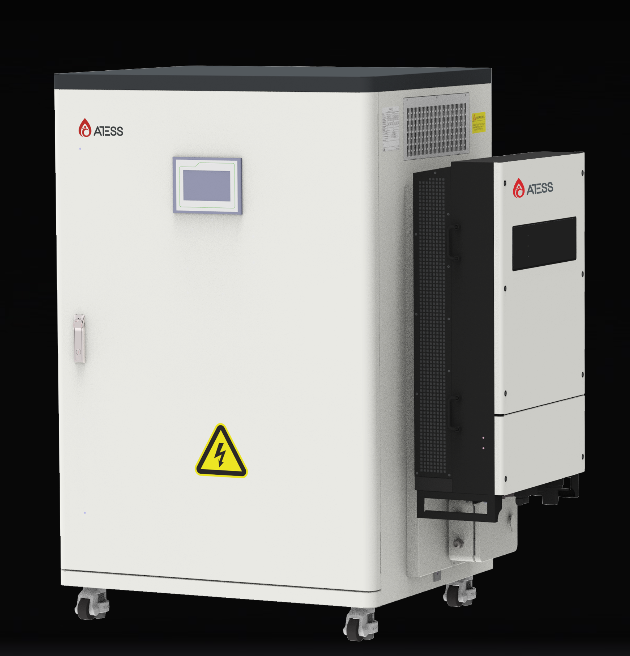
When distributors and EPC teams consider system design, questions often arise about sizing and whether an inverter can be larger than the actual load. This topic becomes especially relevant when evaluating products from Atess, since they offer solutions that must fit a wide range of commercial scenarios. The idea of oversizing leads to concerns about compatibility, protection of sensitive loads, and long-term stability. With equipment such as a 30kw inverter, they aim to support flexible configurations without creating unnecessary system strain. Understanding how capacity aligns with project requirements helps ensure proper system behavior from the beginning.
Balancing Load Demands With Hybrid Flexibility
In real applications, some projects require additional headroom to manage peak loads or fluctuating consumption. Integrating a 40kw hybrid inverter allows teams to account for variations while still maintaining stable transitions between operating modes. For example, their hybrid models—HPS30000TL, HPS40000TL, and HPS50000TL—include the ability to parallel up to eight units, enabling system expansion when needed. They also incorporate an SCR-based design that supports transfer within 6 ms, helping maintain continuity for sensitive equipment. These capabilities demonstrate how slightly higher capacity can serve practical purposes without necessarily becoming excessive.
Considering System Behavior Under Different Grid Conditions
Distributors often manage installations in regions where grid conditions fluctuate or where loads require precise control. An oversized 30kw inverter may appear unnecessary, but certain environments benefit from additional margin to handle unstable voltage or unpredictable load patterns. When using a 40kw hybrid inverter, the hybrid structure offers opportunities to manage both grid-connected and off-grid modes in a more adaptable way. Their systems are built to operate steadily across different continents, which helps address challenging electrical environments without relying on extreme specifications.
Conclusion: Finding the Most Suitable Size
When examining whether an inverter can be “too big,” the answer depends on the project’s operational goals rather than a strict capacity limit. Solutions from Atess show that appropriate oversizing can support smoother operation, improved resilience, and future scalability, especially when parallel capability and fast transfer features are involved. As long as capacity aligns with technical needs and projected growth, choosing a larger 40kw hybrid inverter or 30kw inverter can be a practical and well-balanced decision for distributors seeking stable long-term system performance.