
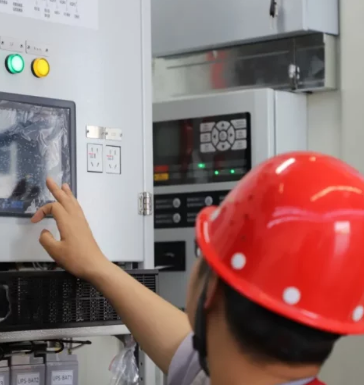
In an era where energy demands are increasing and the push for sustainability accelerates, the importance of safe energy storage solutions cannot be overstated. The need for reliable and efficient energy storage systems is critical, particularly for new energy vehicle manufacturers and energy storage integrators striving to meet growing expectations for performance, safety, and sustainability. This article delves into the technical strategies employed by manufacturers to ensure safe energy storage solutions, highlighting their importance in promoting grid resilience and enhancing overall system performance.
Industry Overview of Energy Storage Solutions
As the integration of renewable energy sources becomes prevalent, energy storage solution play a vital role in managing supply and demand. Manufacturers are focusing on developing systems that not only store energy efficiently but also prioritize safety to mitigate potential hazards. These energy storage solutions are designed to withstand various environmental conditions while minimizing risks associated with energy transmission and storage. For new energy vehicle manufacturers and energy storage integrators, understanding the technological advancements in secure energy storage is crucial for successful implementation and operation.
Core Safety Features in Energy Storage Systems
One of the primary concerns for safe energy storage solutions is the prevention of thermal runaway—a condition where the battery temperature increases uncontrollably, potentially leading to fires or explosions. To address this, manufacturers have implemented advanced thermal management systems that monitor and regulate battery temperatures. Additionally, robust battery management systems (BMS) are essential. These systems provide real-time monitoring of battery health, voltage, current, and temperature, ensuring optimal performance and safety.
Another critical aspect is the choice of materials used in energy storage systems. Companies are making strides in using safer, more stable materials that significantly reduce the risk of failure. For instance, the shift from traditional lithium-ion batteries to newer chemistries, such as solid-state batteries, is gaining traction. These alternatives promise enhanced safety features while maintaining high energy density and performance.
Regulatory Standards and Compliance
Navigating the regulatory landscape is another important factor for manufacturers focusing on safe energy storage solutions. Compliance with international standards, such as UL 9540 and IEC 62619, ensures that energy storage systems are rigorously tested for safety and reliability. These standards guide manufacturers in the design process, helping to eliminate potential hazards associated with energy storage.
Manufacturers must consider not only compliance with existing regulations but also anticipate future standards as technologies evolve. By actively engaging with regulatory bodies and investing in R&D, companies can stay ahead of compliance requirements while promoting the integration of safe energy storage solutions within the industry.
Strategies for Implementation and Future Directions
For new energy vehicle manufacturers and energy storage integrators, effective implementation of safe energy storage solutions hinges on collaboration and innovation. Establishing partnerships with technology providers can accelerate the development of safety features. Additionally, leveraging data analytics to optimize battery usage patterns enhances safety and performance while reducing overall costs.
As the industry moves forward, the focus will remain on developing safe energy storage solutions that support renewable energy integration, enhance grid resilience, and provide reliable energy access. The emphasis on safety not only protects assets but also builds consumer trust, essential for the adoption of new energy technologies.
Building a Safer Energy Future
In conclusion, the evolution of safe energy storage solutions is paramount for the future of renewable energy. Companies, like REPT BATTERO, are at the forefront, offering innovative and secure energy storage options that meet the demands of the market. By continuing to prioritize safety and compliance, manufacturers will play a crucial role in aligning energy storage solutions with global sustainability goals.